

Understanding affiliate pages
A search for BDG Win can lead to a platform, an article, an app download page or a person sharing a referral link. Those destinations may use the same brand words while doing very different jobs. Before deciding what to trust, work out which kind of page you are reading. This article explains the difference without assuming that every affiliate is dishonest or that every familiar-looking website belongs to the operator.
An affiliate publisher may receive a benefit when readers take a qualifying action through a tracked link. That commercial interest is useful context, but it does not settle whether an individual sentence is accurate. Read the evidence behind the claim, identify who is responsible for the destination and keep account information separate from ordinary editorial questions. This is information about reading websites, not an invitation to participate in money games.
Start with the job the page is doing
Look at what the page actually offers. A platform interface may accept account credentials or provide account settings. An independent article may explain terms and send readers elsewhere. A referral page may contain little beyond a registration button. A download page may deliver a file without explaining who operates the underlying account service. These functions can appear together, so labels alone are not enough.
Ask one concrete question: if something goes wrong after I click, which business is expected to fix it? If the article author cannot change an account, approve a transaction or maintain the software, that author is not the provider of those services. A publisher can still answer questions about its own article. Keeping these responsibilities separate makes it easier to seek the right kind of help and avoids handing private records to someone who has no reason to receive them.
Read the address rather than the biggest logo
The large BDG Win logo is part of a page's presentation. The address in the browser identifies where the page is being served. These are different pieces of information. Copying a name into an image is easy, and several unrelated pages can discuss the same brand. A logo therefore identifies a subject more readily than it establishes a business relationship.
When comparing two pages, write down the exact hostname of each. Do not reduce them both to the brand word in your notes. Include which page you were reading and when you saw it. If an article sends you to a different hostname, treat that as a change of destination that deserves attention. It may be expected, but you should understand the change before providing personal information or relying on terms that appeared on the first site.
Separate an editorial contact from account support
An editorial contact is responsible for the publication: inaccurate sentences, broken links, image questions and publication policies. Account support belongs to the service that created and maintains the account. Even when a publisher knows a platform well, an ordinary email address on its article does not establish access to the platform's account systems.
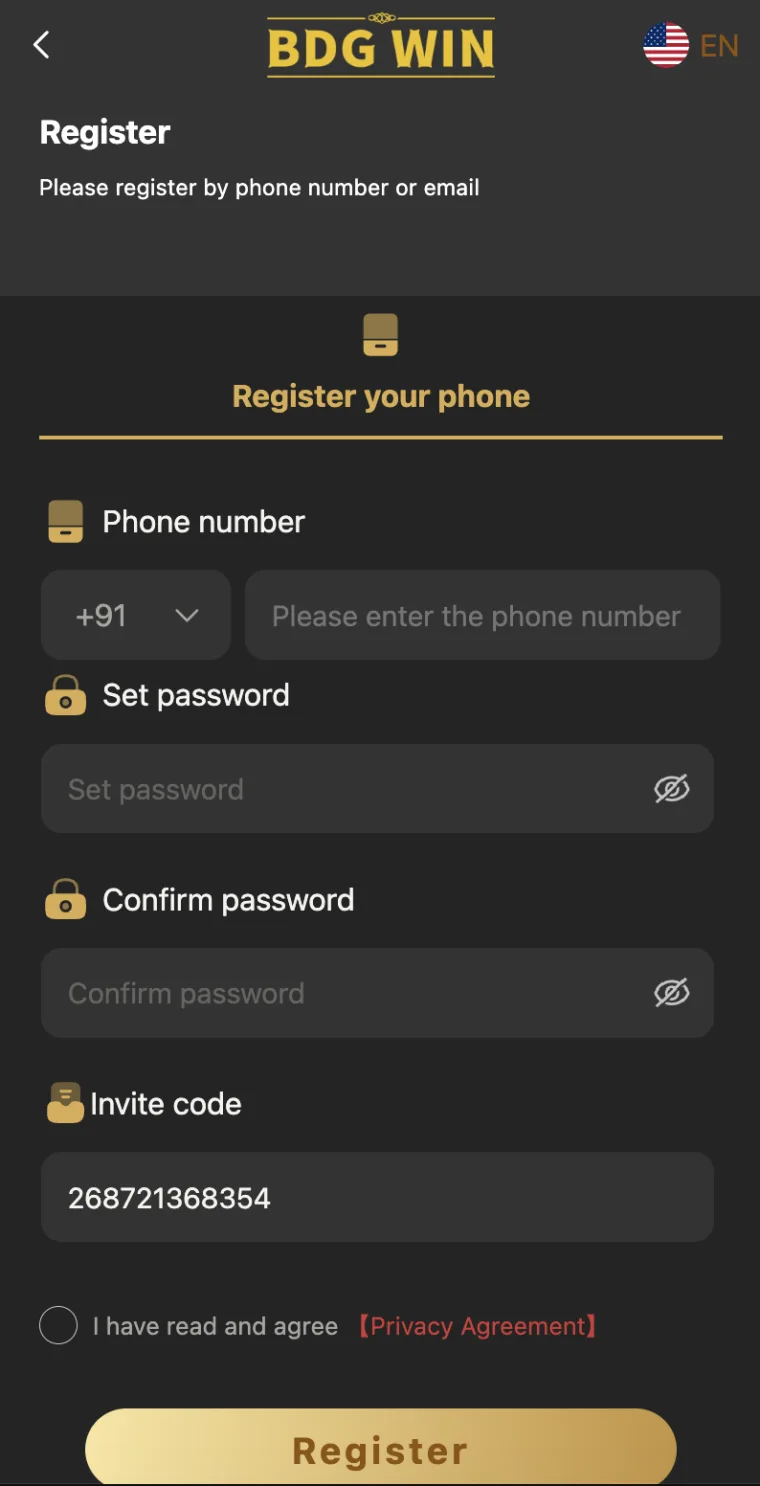
A useful editorial message might say that a field label in an illustration no longer matches the current layout. It should not include your password or ask the writer to sign in for you. If your concern involves money, identity checks or account access, the publisher may be unable to resolve it. That limit should be stated plainly rather than hidden behind a support-style icon. Do not mistake a friendly response for proof that the person has authority over your account.
Find the commercial disclosure before judging the recommendation
A disclosure should help you understand who may benefit from a click or referral. Look for plain language that describes a possible commission, referral payment or other relevant benefit. A vague label such as partner can leave important questions unanswered. You should not need to infer a financial relationship from a long string of numbers in a registration URL.
The FTC's public materials provide an example of the wider transparency principle: a connection that could affect how an endorsement is understood should be made clear. That is a source about disclosure practice, not an assertion that United States rules determine your rights in India. For this reading exercise, the practical question is simple: would knowing about the benefit change how much weight you give the recommendation? If yes, keep that relationship in mind while checking the evidence.
Understand what a referral code can and cannot prove
A referral code can connect an action to a referring account or campaign. It does not prove that the person sharing it works for the platform, has checked its security or can promise a reward. The same code may appear across multiple pages controlled by one publisher, or be copied by other people. Neither situation establishes the provider's identity.
Think of the code as an attribution label, not a quality certificate. If a page says a code guarantees a bonus, ask where the current offer conditions are written and who is responsible for honouring them. If those details are unavailable, the code alone does not fill the gap. You can understand a referral relationship without using it, and you do not need to create an account to assess whether the accompanying article is clear about its commercial interest.
Do not confuse disclosure with approval
An affiliate disclosure answers a question about the publisher's interest. It does not verify the external provider, establish a licence or make an otherwise restricted promotion permissible. These are separate questions that require separate evidence. A page can be open about a commission while still making unsupported claims elsewhere.
Likewise, a privacy policy explains claimed data practices; it does not certify that every practice is followed. Terms explain the stated agreement; they are not a certificate of lawful availability. When reading a page for India, do not let the presence of several legal-looking links substitute for checking the applicable framework. This article is not a legal assessment of any particular operator. Its purpose is to stop one piece of information from being stretched into an answer it cannot provide.
Check the claim, not just the disclosure
Suppose an affiliate page clearly says that it may earn a commission and then claims that all withdrawals arrive instantly. The disclosure does not provide evidence for the second statement. You still need to know what was tested, how many observations were made, which payment method was involved and whether the conditions have changed.
Separate each important claim into its own row in your notes. Put the claim in one column, its source in another and the unresolved question in a third. This simple approach is more reliable than deciding that the entire page is trustworthy because one part is transparent. A useful publisher can say that a detail is unknown. A persuasive page that avoids every uncertainty may be less informative than a modest one that shows where its knowledge ends.
Look for the difference between explanation and experience
An author can explain an account field without having created an account. An author can summarise an Android setting without having tested a particular APK. Those explanations can be useful, provided they are not presented as personal product experience. Phrases such as I tested or our withdrawal arrived are factual claims about actions, not decorative ways to make a page sound confident.
When an experience claim appears, ask what details make it meaningful. Is there a date, an exact product or domain, a stated test scope and a clear distinction between observation and conclusion? A screenshot alone may show a page without establishing who performed the action. You do not need to demand access to someone's private account. You do need enough context to understand the limit of the story being offered as evidence.
Use the byline as a starting point
A named writer gives you someone to associate with the publication. It does not automatically establish expertise in law, cybersecurity, payments or every game described on the page. A general experience statement should be read at the level it actually supports. Ten years writing about entertainment is different from ten years auditing Android packages.
Look for specific, relevant information rather than a long list of impressive labels. The author's topic, disclosed commercial interest and corrections route matter more than an unexplained expert badge. If a biography is incomplete, note the gap without inventing a conclusion about the person. The aim is not to score personalities; it is to decide how much weight a particular account, security or payment statement deserves.
Treat buttons as navigation, not promises
A button labelled Register tells you what action it intends to open. It does not establish what happens after the destination loads or whether you qualify for anything there. A button labelled Download may link to an information page rather than a file. A button labelled Support may open a community chat instead of an operator's help system.
Read the words around the button and check its destination before treating the label as a full explanation. If the site uses Get Bonus as the main action but provides no offer conditions, the missing terms are part of the assessment. Clear wording helps you understand the next step. It should not create a certainty that the publisher has not established, and it should never make an unrelated contact appear responsible for a platform account.
Understand redirects without assuming the worst
An external link can pass through a tracking or routing service. That does not automatically prove wrongdoing, but it can make the final destination less obvious. What matters for the reader is knowing where personal information would eventually be entered and which party's terms apply at that point.
If a link changes destination, pause at the final page and read the address. Do not rely only on the wording of the link you started from. Keep the original page address if you need to describe a confusing route later. Avoid following a chain of alternative domains supplied in private messages to get around a warning or restriction. A publishing link should be understandable without asking you to disregard your browser's protection or the rules that apply where you live.
Be careful with community links
Telegram groups and other communities can be useful places to discuss a topic, but membership does not establish a connection to the operator. A channel owner, a group administrator and someone replying in the comments may have different responsibilities. A copied display name is weaker evidence than a verifiable organisational relationship.
Before posting a question, remove your phone number, account identifier and payment references from any image. Never post a password or one-time code. If someone offers to move the conversation into a private chat and promises a guaranteed fix, assess the request independently. Community access should not become a reason to give an unknown person the ability to control your account or device. An affiliate channel can discuss its own publication without being platform customer support.
Compare reviews by method rather than excitement
Two articles may reach different conclusions because they assessed different products, dates or questions. One might discuss an old mobile interface while another repeats a current promotional banner. Comparing only their star ratings hides those differences. Read what each article actually examined.
Make a short comparison list: exact domain, date, author, financial relationship, evidence type and claims left unresolved. A review that explains its method is easier to assess even if its conclusion is cautious. If both pages simply repeat the same offer text, they may not provide two independent sources. You do not need to choose the more enthusiastic account. Choose the information that most directly answers your question and is supported by evidence appropriate to that question.
Watch for statements that change meaning in small print
A headline can say free while a later sentence describes conditions that materially change the offer. A label can say instant while the surrounding terms introduce checks and waiting periods. The issue is not merely that conditions exist; it is whether the main wording gives a fair picture of the actual situation.
Read the key conditions before treating the headline as a complete claim. Ask whether the page distinguishes a potential benefit from an automatic entitlement. If a publisher cannot identify the current terms, a stronger marketing phrase does not resolve that uncertainty. You can record the claim as unverified and move on. The goal is to make a decision based on the whole explanation rather than one large word chosen to attract attention.
Keep money and editorial conversation separate
A publisher answering an article question should not need you to send a deposit, a verification payment or a release charge. If an editorial conversation turns into a request for money, stop and reassess who you are dealing with and why that request is being made. A familiar page design does not establish authority to collect funds.
For an existing transaction issue, organise your records privately and use independently verified contact routes for the relevant institution. Do not upload a full account history merely to prove that you read an article. An editor can understand a correction request from the sentence, page address and supporting source. The less unrelated personal information you send, the less opportunity there is for an ordinary publication question to expose your account or payment details.
A worked reading example
Imagine a page headed BDG Win App Review. It names a writer, includes an affiliate disclosure, displays game artwork and offers a registration link. It also states that the app is secure but gives no package name, download hash, version or testing method. You can accept that the page discusses the brand while leaving the security claim unresolved.
Your notes might say: publication identity partly stated; financial interest disclosed; external operator not established; APK not examined; account terms need checking. This is a more useful result than either trusting everything or labelling everything false. The exercise separates what the page actually provides from what its design encourages you to assume. No account creation or payment is necessary to complete that reading assessment.
Another example: a copied comparison table
Now imagine three websites showing the same table of payout speeds and minimum amounts. Their titles differ, but the unusual wording and numbers match. That may indicate a shared source or copied material. It does not tell you which site first checked the information, or whether anyone did.
Look for a direct, current source for the numbers. If none is supplied, do not count the three pages as three independent confirmations. Write down that the claim is repeated but unverified. This approach is particularly useful when affiliate pages compete on certainty: the most repeated number can still be the least supported part of the article. A comparison becomes meaningful when its underlying evidence can be inspected, not when the same cells appear in more places.
Build a five-question reading checklist
Before trusting an affiliate page, ask who publishes it, what benefit the publisher may receive, where its links lead, what evidence supports its important claims and who can resolve an external account problem. Write the answers in your own words. If you cannot answer a question from the page, mark it unknown rather than filling it with an assumption.
This checklist is deliberately short enough to use while reading. It does not certify a website or replace professional advice. Its value is in slowing down the jump from a familiar brand name to a decision involving personal information. You can use the same questions for app comparisons, referral posts and community recommendations. The questions stay useful even when the page layout or promotional wording changes.
How to send a useful correction
If an affiliate article contains a factual error, quote the sentence and identify the page address. Explain the issue briefly and include a reliable source where possible. A clear correction is easier to assess than a message saying that the entire site is wrong. Keep the request about publication accuracy unless the recipient genuinely controls the separate service involved.
For this publication, editorial contact details are listed on the Contact page. Do not include a password, OTP or unredacted payment record. If the problem concerns an external account, state that distinction clearly and use the responsible party's verified route. A publisher's response can correct an article; it cannot, by itself, prove that an outside account restriction or financial dispute has been resolved.
Decide what the page has earned
You do not have to reach a single all-or-nothing verdict on an affiliate website. It may provide a useful explanation of a form while leaving operator identity unclear. It may disclose its commercial interest while failing to support an app claim. You can use the helpful part and decline to rely on the unsupported part.
The most important result is a clear boundary between information and authority. A publisher can identify a subject, explain a term and disclose a relationship. That does not give it control over a platform, make a referral a guarantee or turn a review into a security audit. Read BDG Win affiliate pages with those boundaries in mind, and keep uncertainty visible whenever the evidence does not justify a stronger conclusion.
Read an article without accepting its sales argument
You can learn from an article while disagreeing with its recommendation. For example, a page might explain the difference between an app and a browser clearly, then make an unsupported claim about which platform is best. Keep those two parts separate. Understanding the definition does not oblige you to follow the commercial link.
This is a useful habit when search results mix help content with advertising language. Make your question specific before opening the page. If you wanted to understand an invitation field, stop once that question has been answered. A page may encourage a broader decision, but your original task need not expand with it. The ability to leave with an answer, without taking the promoted action, is a reasonable measure of whether the article helped you.
Keep a small evidence record
For questions that matter to you, save a short private record of the article address, the claim and the date. You do not need to collect every screenshot or build a dossier about the writer. A simple note can prevent confusion when a page changes or two similarly named sites make different promises.
Separate a direct observation from your interpretation. Write that the page displayed a particular statement, rather than that the statement was true. Write that the link opened another hostname, rather than that both sites shared an owner. Those small differences in wording keep your record useful. If you later request a correction, the publisher can understand what you saw without you having to reconstruct the visit from memory.
Know when more reading will not resolve the gap
Sometimes the missing information is not another article away. If no accountable operator or current primary terms can be established, reading another ten affiliate posts may only repeat the same uncertainty. Recognising that limit saves time and reduces the chance of confusing a larger pile of claims with stronger evidence.
You can stop at unknown. That is not an accusation against every publisher involved, and it is not a failure to research. It is an accurate description of what the available material supports. A responsible next step might be to ask a precise editorial question, consult an appropriate professional about a consequential issue or avoid relying on the claim. A confident advertisement should not force you to pretend that an unanswered question has been settled.