
A bonus headline is the beginning of a question
A promotional panel can communicate a number much faster than it communicates the conditions attached to that number. The amount is large, the animation is bright and the explanation may sit behind a small link. A careful reader needs a way to slow the message down. This guide treats an offer as a document to inspect, rather than as a benefit to assume. It explains the questions hidden inside familiar promotional words.
BDG Win is the subject of this educational article, but no current bonus, operator or offer document has been authenticated for this draft. Any examples are invented to explain language. They are not descriptions of a real BDG Win promotion and should not be used to make a payment or account decision. We do not provide offer codes, claiming instructions or recommendations to participate in money games.
For an Indian audience, understanding promotional language also requires an appropriate legal context. This article does not establish that any proposed promotion is permitted or that a provider can lawfully offer it. An editor considering a commercial link should obtain current legal review. The purpose here is narrower: to help a reader distinguish what an advertisement says, what its conditions establish and what remains unknown when the evidence is incomplete.
Identify the document behind the design
Start by asking whether a complete terms document exists. A short caption beneath a banner may explain only one condition. A chat message may paraphrase another document without linking to it. An image shared by an affiliate may be old or detached from the service to which it originally belonged. These sources can help locate a claim, but they should not be treated as interchangeable versions of a complete agreement.
A useful record includes the full page address, the date observed, the offer title and the source that supplied it. If a document has a version number or effective date, preserve that information. If it does not, record the absence without inventing one. The goal is to make it possible to explain later which text was available at the time, rather than relying on memory or an isolated screenshot.
Also check whether the offer document identifies the same entity as the surrounding website. A brand name in a heading is not necessarily the legal identity of an operator. If the relationship is unclear, that is an unresolved question. An attractive design cannot repair missing identity information, and a long document is not automatically reliable merely because it resembles the terms used by another service.
Define the unit before interpreting the number
A promotional number may refer to cash, virtual counters, points, discount value or a conditional accounting entry. The same currency symbol can be used in a demonstration or an illustration, so the image alone does not settle the practical meaning. A reader should identify exactly what is being represented before deciding whether the number describes something they can use, transfer or redeem.
Consider a hypothetical learning website that awards five hundred points for finishing a tutorial. If the points only unlock a decorative badge, their meaning is different from five hundred rupees. Another hypothetical website might display a discount ceiling rather than a balance. Calling both a five hundred bonus would hide the difference. The useful question is what the unit does under the actual conditions, not how impressive the number looks.
A publisher should write the unit in plain words and avoid converting it into money without evidence. If the source does not explain the unit, the article should say that its value and use remain unverified. This is particularly important when an image contains a wallet illustration, because readers may naturally assume that a balance like graphic represents money even when the supporting document has not established that fact.
Eligibility is a set of conditions rather than a promise
An offer may describe eligibility using account status, location, age, prior activity or other criteria. Those conditions require careful reading, but they should not be treated as instructions to work around restrictions. If a person is excluded, the existence of a promotional page does not create permission to participate. This guide does not suggest alternate identities, locations or account arrangements to obtain access.
A hypothetical example can show why the wording matters. Imagine a free educational service offering a digital badge to students who complete a particular course during a stated period. A banner saying badge available would not mean that every visitor receives one. The full conditions determine who qualifies. A clear article should explain that relationship without presenting the conditions as a puzzle to defeat.
If an offer uses broad phrases such as selected users or subject to approval, ask whether the selection process is explained. An unexplained discretionary condition can make a headline less informative. The right editorial response is to identify the uncertainty, not to promise that a reader will qualify. Personal eligibility cannot be inferred from another person's screenshot or from an affiliate's general assurance.
Deadlines contain more than a date
A deadline can refer to claiming, completing a condition, using a benefit or submitting a request. These are different events. An offer that expires on a particular day may still contain another time limit elsewhere in the terms. A reader should identify which action each deadline governs rather than assuming that one visible countdown explains the entire arrangement.
Time zones can also matter. A date without a time zone may be ambiguous for readers in different regions. A countdown can create a strong sense of precision while leaving the underlying deadline poorly documented. In a research record, preserve the displayed text and note what it does not specify. Do not invent a local interpretation merely because the website uses a familiar currency or language.
The consumer protection source linked below discusses deceptive interface patterns, including false urgency. That does not prove that a particular countdown is deceptive. It does provide a useful reason to inspect whether the urgency is supported by clear information. A reader can choose to leave an uncertain offer unread or unclaimed. The presence of a timer does not create an obligation to act before the conditions are understood.
Separate a credit from an unrestricted balance
A promotional credit may be displayed beside another balance while carrying different conditions. The visual proximity can make the entries seem interchangeable, but their practical treatment may differ. A complete explanation needs to identify which entry is affected by which condition. Without that mapping, a reader may believe that a displayed total describes unrestricted value when the document has not established that interpretation.
A hypothetical library service might show purchased reading credits and promotional reading credits in the same account. The promotional credits could expire earlier or apply only to certain books. This example illustrates an accounting distinction without making any claim about a gaming provider. The interface total is not enough to explain the separate rules attached to its components.
For BDG Win coverage, no current balance categories or promotional accounting rules have been authenticated here. A writer should not supply a familiar rule copied from another service to make the explanation seem complete. The article can describe the question to ask and the evidence needed. It should leave the provider specific answer unknown until a current, relevant document has been verified.
Turnover language deserves careful translation
Some promotional documents use turnover or activity requirements. Such wording can describe a condition based on the amount of activity recorded rather than a simple passage of time. This guide does not provide a method for fulfilling a money gaming requirement. It explains why a headline amount and an unrestricted entitlement are not necessarily the same thing, and why a reader should not assume that a displayed credit can be treated as available money.
A non-gaming analogy may help. A fictional retailer might issue a discount voucher that applies only after a qualifying purchase amount. The headline value of the voucher would not describe the total spending required to use it. The conditions change the practical meaning of the offer. Understanding that relationship does not imply that the voucher is worthwhile or that the reader should pursue it.
If the terms use a formula, identify what each input means and whether the document supplies all necessary definitions. Ambiguous terms such as eligible amount can prevent an exact interpretation. A responsible article should not fill the gap with a convenient assumption. If the relationship cannot be explained in plain language from the source, that limitation is itself useful information for the reader.
Caps and exclusions can change the apparent offer
A cap can limit a benefit even when a headline highlights a large percentage or maximum. Exclusions can remove particular activities, dates or users from the arrangement. The practical interpretation depends on how these conditions interact. A promotional image that includes only one attractive number cannot establish the complete relationship between the headline and the limits attached to it.
Imagine a fictional software discount advertised as half price, with a small ceiling and several excluded plans. The headline percentage would be accurate only within those conditions. A reader comparing it with another discount would need the same unit and the same purchase context. The example shows why a comparison based on the largest number can be misleading even before any question of operator reliability arises.
An editor should resist rewriting exclusions as minor details merely because they interrupt an appealing narrative. Conditions that materially affect meaning belong near the claim they qualify. If the source is unavailable, a page should not announce an offer and hope that a broad disclaimer supplies the missing explanation. A disclaimer can identify limitations, but it cannot manufacture terms that have not been verified.
Read cancellation and change clauses as practical questions
Terms may explain what happens if an offer is declined, withdrawn or changed. A reader should identify whether the document describes a choice and what the consequences of that choice are. A clear explanation distinguishes ending participation from losing an account, losing a promotional entry or affecting unrelated information. Those are separate events and should not be compressed into a vague warning.
A hypothetical subscription example illustrates the issue. A trial might be easy to start while the cancellation route is difficult to locate. The important question is not simply whether a cancellation word appears somewhere. It is whether the process and consequences are understandable. The consumer protection material linked below provides context for examining interface choices, but this article does not make a legal finding about any named service.
If a promoter claims that conditions may change without notice, preserve the exact wording and seek appropriate advice before relying on it. An affiliate should not interpret an ambiguous clause as a guarantee in the reader's favour. Nor should it announce that the clause is legally effective without analysis. The educational purpose is to identify the issue and the evidence needed for a more specific assessment.
A screenshot is evidence of presentation, not completion
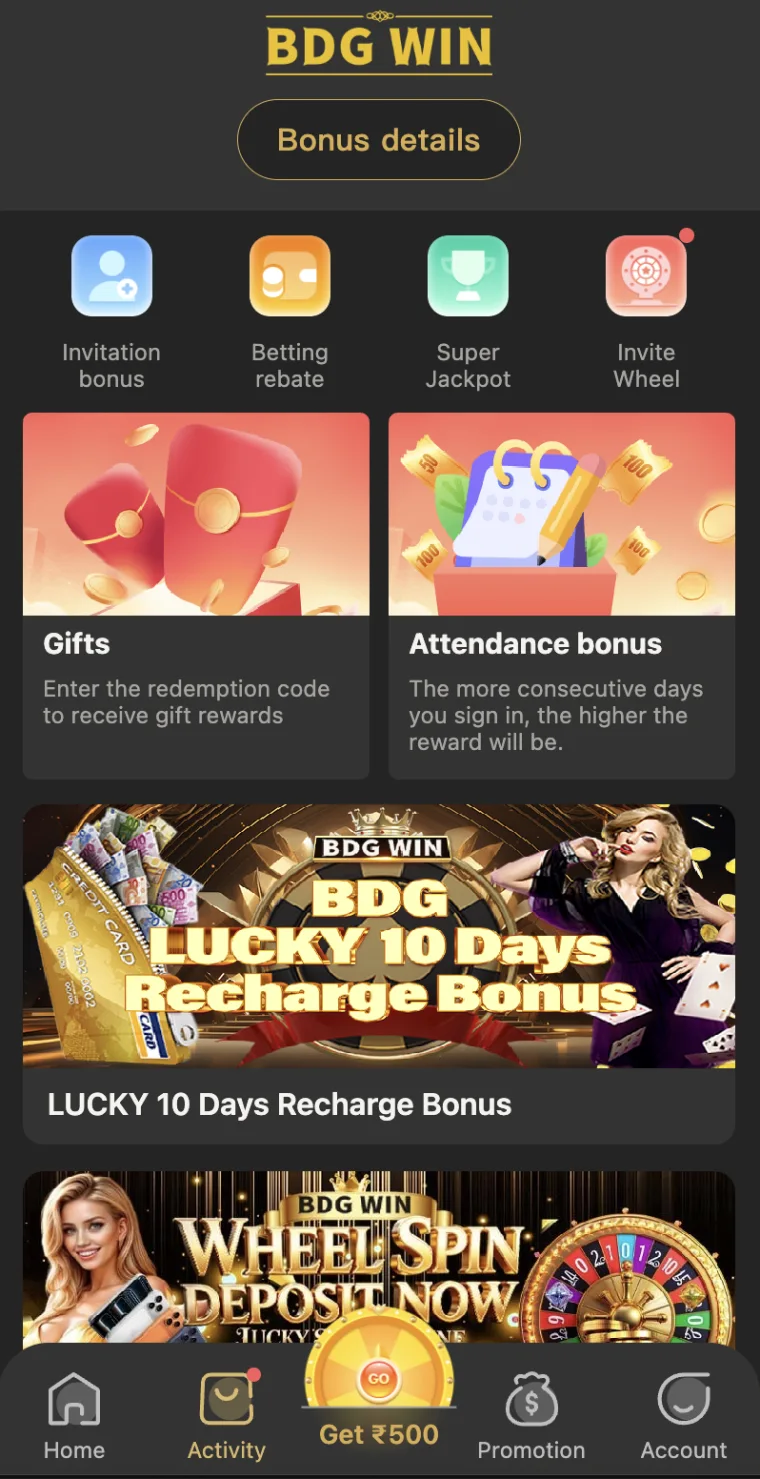
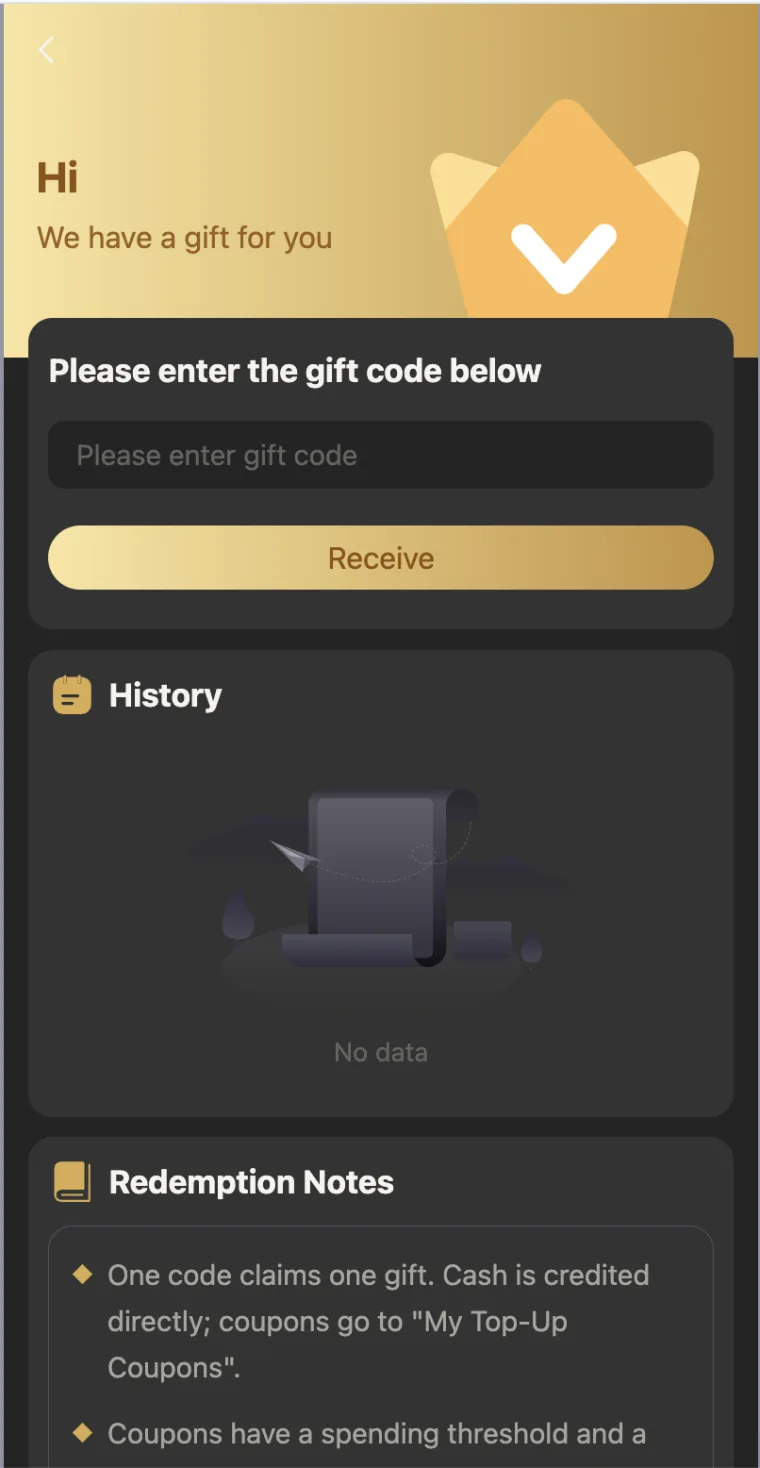
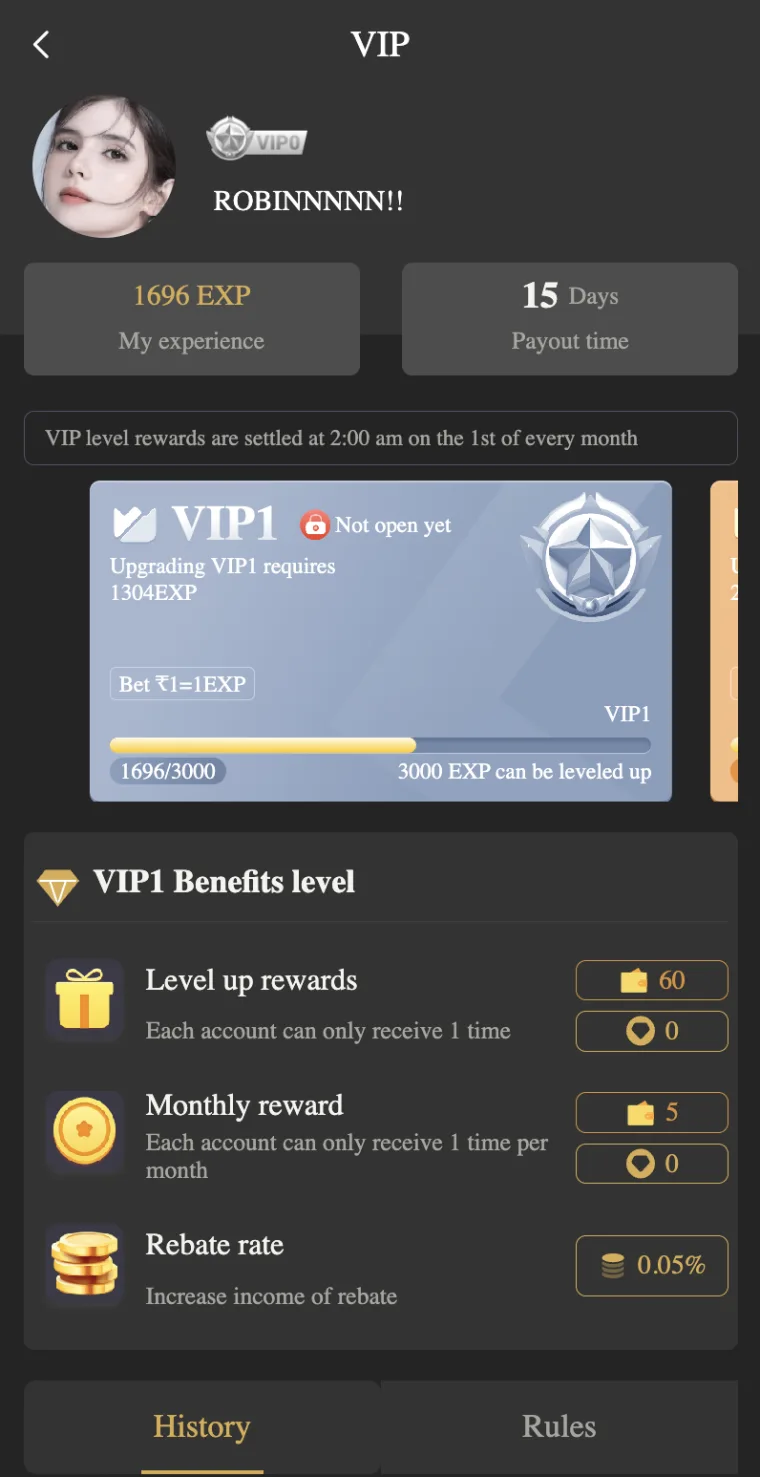
A screenshot can show what an offer looked like when the image was captured. It cannot usually establish that every condition was disclosed, that the image is current or that the person viewing it qualified. It also cannot prove that a displayed benefit was later used or redeemed. These limitations matter when promotional galleries rely on images as a substitute for a complete source record.
A reader should ask who supplied the image and whether the surrounding context is available. A cropped panel may omit the date, domain, footnotes or status of the account. An edited image may combine elements that were never shown together. These possibilities are reasons to avoid overclaiming, not grounds to accuse a particular person of manipulation without evidence.
Image captions can help by stating that an asset is supplied for illustration and that current availability has not been authenticated. Alternative text should describe visible content rather than add promotional promises. An image of a banner with a number does not visually establish trust, legality or a reliable benefit. Accessibility text should not be used to smuggle those claims into the page.
Recognise when language pressures the reader
An offer can frame declining as foolish, disloyal or embarrassing. It can repeatedly interrupt a page after the reader has dismissed it. It can make the acceptance control prominent while disguising the choice to leave. These observations concern how a message is presented. Whether a specific implementation violates a legal rule requires an appropriate assessment, but a reader can still notice when the design makes considered choice more difficult.
A practical response is to restate the offer without its emotional framing. Remove the celebratory words, the countdown and the claim that everyone else is benefiting. What remains? Is there a clearly identified entity, a defined unit and an accessible terms document? If the core proposition becomes hard to describe once the excitement is removed, the research is incomplete.
No reader needs to prove that an offer is deceptive before declining it. Uncertainty alone can be enough to stop. An educational affiliate page should support that freedom rather than treating every question as an objection to overcome. Helpful writing explains the limits of the evidence and allows the reader to decide that a promotional proposition is not worth further attention.
Questions to send for clarification
If a reader chooses to seek clarification, the request should focus on facts. Ask which document governs the offer, what unit is displayed, what date applies and where the operator's identity can be authenticated. Do not send passwords, one time codes or full financial records to obtain an explanation of public terms. A request for basic conditions should not require exposing unrelated sensitive information.
A clear enquiry can describe the ambiguity in one sentence. For example, a reader might say that the headline names a credit but the terms do not explain whether it is transferable. Another might ask which deadline applies to a particular stage. These questions are more useful than asking whether an offer is good, because they identify a factual gap that a relevant source could answer.
Preserve the reply with its date and the identity of the channel that supplied it. A private answer may still be unauthenticated or inconsistent with published terms. The existence of a reply is not the same as resolution. If the answer does not address the question, record that limitation rather than rewriting the exchange as a helpful confirmation.
Comparing two offers without creating a recommendation
A comparison requires equivalent units and equivalent conditions. A large headline credit and a small unrestricted discount cannot be meaningfully ranked by the displayed number alone. A useful table would separate the headline, the unit, the eligibility conditions, the deadlines and the evidence status. If important fields remain unknown, the comparison should show them as unknown rather than assign an invented score.
The comparison should also apply the same scrutiny to both sources. An affiliate relationship can create an incentive to investigate one offer less critically than another. A disclosed relationship helps readers understand that incentive, but disclosure does not cure an unfair comparison. The evidence standard should remain the same even when one destination is commercially valuable to the publisher.
For this draft, no BDG Win offer has been authenticated, so there is no current offer comparison or ranking. The framework can still help a reader evaluate promotional language in other settings. Its value lies in clarifying the questions, not in manufacturing a verdict from missing facts. A page should not pretend that a table becomes evidence merely because it is neatly formatted.
Keep a private offer record without collecting unnecessary data
A small research record can contain the public offer text, the date observed, the page address and a short note about unresolved conditions. It does not need account passwords, identity documents or unrelated transaction histories. Collect only what is necessary to understand the claim. If private information appears in an image, preserve the original securely and create a redacted copy for any discussion that requires sharing.
Name files clearly enough to distinguish versions without embedding sensitive identifiers. A note such as banner observed on a particular date is more useful than a filename containing a full phone number. If a later version changes the terms, preserve the earlier record rather than overwriting it. This allows a reviewer to understand the chronology without relying on memory.
A record is not a guarantee that a dispute can be resolved. It simply makes the evidence easier to inspect. Where the issue involves suspected fraud or a legal claim, appropriate official and professional routes may be needed. An affiliate publisher should not position itself as the authority that can promise a recovery, validate an operator or decide an individual's entitlement.
What an honest bonus article should publish
A responsible article should identify its purpose immediately. If it explains vocabulary, call it a guide. If a current offer has not been verified, say so before discussing examples. Avoid a headline that implies a benefit is available and then withdraws the implication deep in the text. The reader should not need to discover the central limitation after following a promotional path.
The final editorial review should remove unsupported amounts, invented deadlines and claims about eligibility. Check every image, caption and button label for the same problem. A promotional asset may contain statements that the article's body carefully avoids. Visual content needs the same evidence review as written content. A polished layout does not make an unverified number suitable for publication.
This BDG Win draft explains how to read conditions without promoting an offer. It gives the reader a method: identify the source, define the unit, separate the conditions and preserve uncertainty where evidence is missing. That method is useful precisely because it does not require trusting the headline. The strongest result may be a clear understanding that the information available is insufficient to support any further action.
A worked example without a promotional verdict
Imagine a fictional learning platform displaying a banner that promises a hundred credits. Its public explanation says the credits apply only to an optional course, while a separate page gives an earlier expiry date. The first research task is to preserve both statements and identify the inconsistency. It is too early to decide that the credits have a particular value or that the shorter deadline must prevail. A request for clarification should quote the two dates and ask which document governs.
Suppose the platform replies that the banner is outdated. A careful account would record that answer, the date of the correction and whether the public page was updated. It would not describe the original headline as currently available. If no answer arrives, the article can state that the conditions remain unresolved. Neither outcome requires the reader to enrol, spend money or test the offer personally.
This example also shows why a single screenshot is rarely enough for a useful offer article. The visual claim, the detailed conditions and the later explanation belong to different moments in the record. Keeping that chronology visible gives readers a more accurate account than selecting whichever fragment makes the offer appear most attractive. The goal is an understandable document trail, not a recommendation manufactured from incomplete information.
A note on research boundaries
A source record should also say whether the writer checked the current page personally or relied on an archived document. These are different observations. A clear research note makes the article easier to update and prevents an older claim from being repeated as though it had been freshly verified.