
Complaint clarity is a useful comparison question
A comparison between BDG Win and Daman can become a list of unverified claims about speed, support and payments. A more useful starting point is narrower: what would a reader need to understand a problem, identify the responsible entity and preserve the relevant record? Complaint transparency concerns the information available before a dispute and the evidence created during one. It should not be confused with a promise that every complaint will be resolved.
This article has not authenticated current operators, help channels or complaint policies for either brand. It does not rate their support, establish withdrawal periods or claim that one handles money more reliably. The examples are hypothetical exercises in reading evidence. They are not reports of direct testing or accounts of actual BDG Win or Daman cases.
The intended audience is in India and the scope is informational. A comparison does not establish legal permission to participate in a service. If a specific dispute involves financial transactions, suspected wrongdoing or a legal claim, appropriate official and professional channels may be needed. This guide explains how to compare the clarity of information without turning an unresolved complaint into a reason to make another payment.
Identify who is responsible before assessing responsiveness
A fast reply from an unknown account is not necessarily meaningful support. The first question is whether the channel can be connected to the entity responsible for the service. A profile image, familiar name or confident introduction does not establish that relationship. A comparison should not award points for a visible chat button while leaving its identity unresolved.
A research record can note where a channel was found and what source authenticates it. If the channel is linked from an unauthenticated page, that relationship may still be insufficient. If a public document names a responsible entity, the connection to the actual destination needs checking. The purpose is to make the chain of authority understandable rather than assume every branded account belongs to one organisation.
For BDG Win and Daman, no current complaint recipient is endorsed in this draft. That limitation should remain visible near any discussion of support. Supplying an unverified contact because readers want a quick answer can create a new exposure. An honest comparison may have to explain that the responsible channel is not yet established instead of offering a convenient but unsupported destination.
Distinguish public help from an individual complaint process
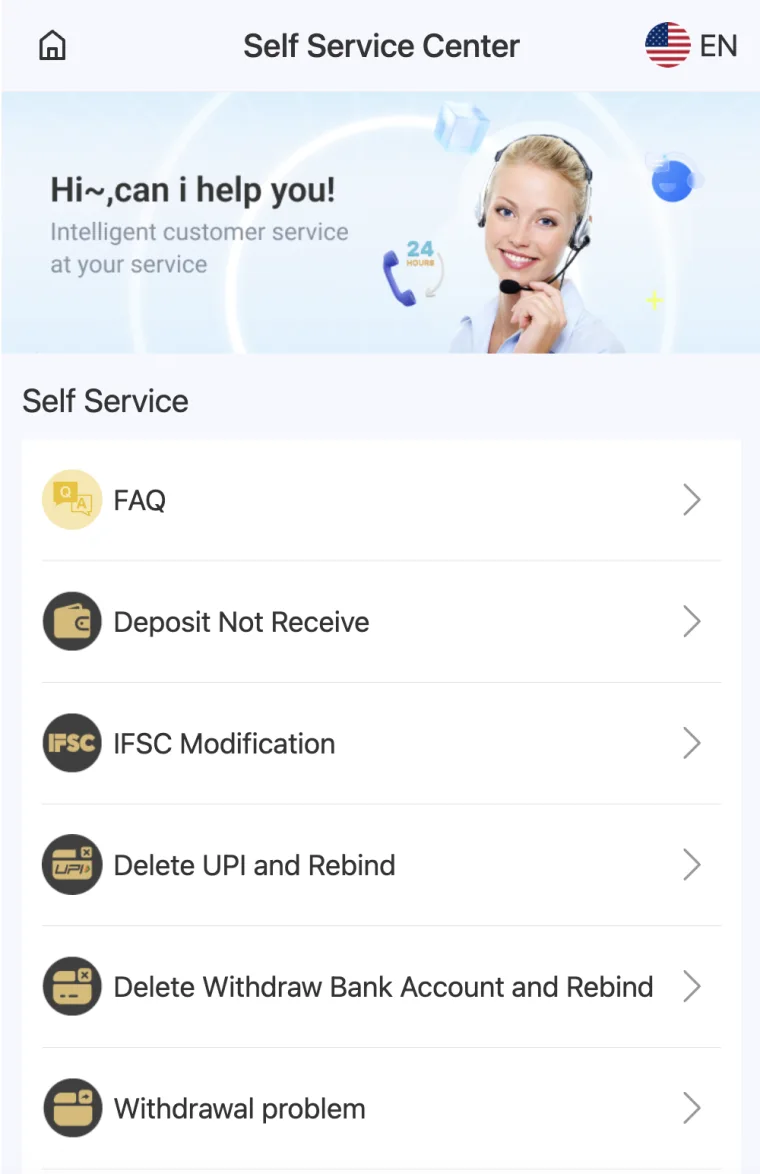
A help page may explain general navigation without providing a route for a personal dispute. A frequently asked question can define a term while leaving the complaint recipient, required information and follow up process unclear. A useful comparison separates those functions. A large help centre is not automatically evidence of an effective complaint mechanism.
A hypothetical service might have detailed instructions for changing a display name but no clear explanation of how to raise a transaction concern. Another might publish a short complaint process but little general help. The comparison should describe the actual difference rather than count pages. More content can improve some questions while doing little for the issue a reader is trying to resolve.
This draft does not claim that either brand has a particular help structure. It provides a way to inspect one if authenticated sources become available. The reviewer should define the question first and then assess whether the relevant information answers it. A general impression that the website looks complete is not a substitute for tracing a specific complaint path.
A complaint route should explain its scope
A clear route identifies the types of concerns it handles. An account access question, an internal balance dispute and an external payment issue may involve different records and recipients. A comparison should not assume that one contact can decide every aspect of a case. Understanding scope helps the reader avoid sending the wrong information to the wrong place.
Consider a hypothetical reader whose bank record shows a debit while a separate interface shows no corresponding entry. The bank can address its transaction record through its process, while the service may need to explain its own internal record. These are related questions but not necessarily identical ones. A useful complaint guide preserves the distinction rather than demand a single universal answer.
For a future BDG Win versus Daman comparison, an authenticated policy could be assessed for how clearly it explains scope. The article should state the document's date and limitations. It should not infer that the policy works in practice solely because the wording is clear. Published process and observed handling are different evidence categories that deserve separate treatment.
Required information should be relevant and understandable
A complaint process may ask for dates, references and a description of the issue. The reader should understand why each item is needed and how to provide it through an authenticated route. A request for a password or payment PIN is a different matter from a request for a transaction date. A comparison should not treat every information demand as an ordinary support requirement.
A hypothetical form might allow a reader to describe the concern before uploading documents. Another might demand extensive private records without explaining their relevance. If these observations are authenticated, the article can describe them carefully. It should not encourage readers to submit unnecessary information merely to test the process or make the comparison table complete.
The comparison should also consider whether the process explains how to redact unrelated details. A full financial statement can contain information beyond the disputed transaction. A public article should not publish such material as an attachment. The organisational goal is to give an appropriate recipient enough relevant evidence while limiting unnecessary exposure, not to collect the largest possible dossier.
Acknowledgement is different from resolution
An automated message can confirm that a submission was received. It does not necessarily mean that the concern has been assessed or resolved. A comparison should identify which stage a record represents. Otherwise, a quick acknowledgement may be advertised as quick support even when the substantive question remains unanswered.
A hypothetical complaint log could contain an immediate receipt, a later request for clarification and a final response. Each event has a different meaning. A useful review records them separately and explains the nature of the issue. One routine question cannot establish how the same channel would handle a complex financial dispute, and one case cannot support a universal response time.
This article provides no measured response period for BDG Win or Daman. No controlled support review has been conducted. A future article would need a disclosed method, authenticated channels and careful privacy handling before reporting observations. Even then, the wording should reflect the limited sample rather than promise the same experience to every reader.
Published periods need a source and a context
A processing period can refer to acknowledging a complaint, reviewing a request or completing another action. A number without context is easy to misread. A comparison should identify exactly what event the period describes and which document supplies it. It should not copy a familiar waiting time from another affiliate page and present it as current policy.
A hypothetical document might say that a response is normally attempted within a stated interval while another clause describes exceptions. An accurate article would explain both and avoid converting a qualified statement into a guarantee. It would also identify whether the document is current and connected to the service under review. A precise looking number is not useful if its source is unclear.
For this draft, no current complaint or withdrawal period is authenticated for either brand. The absence of a figure is intentional. Readers with an actual concern should follow the relevant institution's process rather than rely on an invented normal time. The comparison can help them identify what information is missing without filling that gap with false certainty.
Preserve the difference between a status and an event
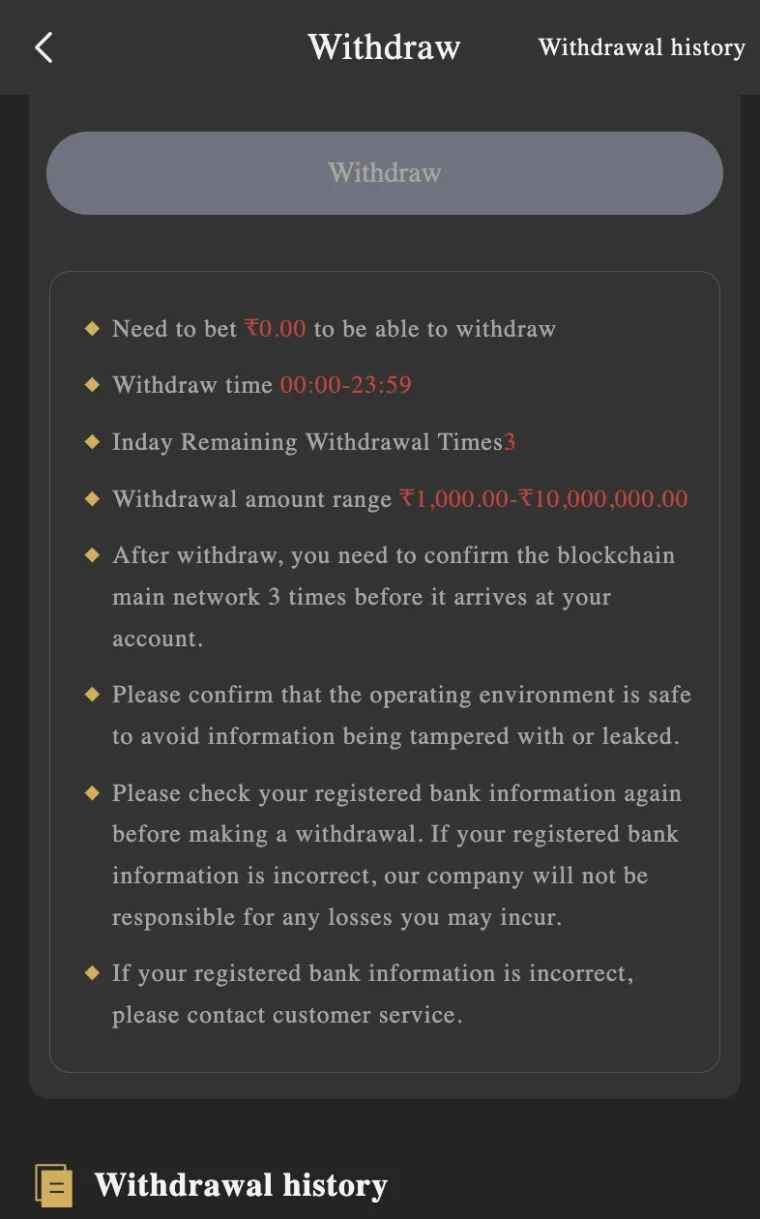
An interface status is a label shown by software. It may describe a stage such as submitted, reviewing or completed, but its meaning depends on the rules and system. A comparison should not assume that the label proves an external event. A status marked completed inside one service is not automatically the same as a credit recorded by a bank.
A hypothetical evidence file can show both records and ask how they relate. The internal page establishes what was displayed at the time of capture. The financial record establishes what the institution recorded. If the two appear inconsistent, the complaint should identify the discrepancy without rewriting either source. This makes the issue easier to assess.
A support comparison should therefore examine whether the public explanation defines status labels clearly. That is a question about document quality. It should not claim that a label is reliable in every case unless the evidence supports that broader conclusion. For BDG Win and Daman, the relevant current definitions remain unverified in this draft.
Escalation should not depend on an unknown private agent
A process may describe what to do if the first response does not address the concern. A useful comparison asks whether that next step is clear and connected to an authenticated entity. An unsolicited message from someone claiming special access is not an established escalation route simply because it appears after a complaint.
A hypothetical reader might receive a promise that an agent can unlock a balance for an advance fee. That demand should be assessed as a new claim, not accepted as a natural part of the original process. The comparison article should not provide lists of unverified agents or suggest that a payment is necessary to obtain attention. Such advice could create another exposure.
Where an external bank or official reporting process is relevant, use its own authenticated information. NPCI's complaint page is a source for relevant payment system complaint information, not proof of any gaming operator's policy. This distinction keeps the comparison from blending a public financial route with an unauthenticated private service as though they were one continuous mechanism.
Read complaint stories as individual records
A complaint story may be sincere and important while still containing gaps. A reader may not have all documents, may use a term differently or may remember an approximate date. A responsible comparison should preserve the person's account with appropriate attribution and distinguish it from independently verified records. It should not dismiss the story because it is incomplete or expand it into a universal conclusion.
A hypothetical report that a request remained pending for several days can be described as that person's documented experience if the evidence supports it. It cannot establish the normal period for every account. Likewise, one resolved complaint does not prove that all concerns are handled well. The scope of the conclusion should match the scope of the evidence.
This draft does not rank BDG Win or Daman by public complaint volume. Such a ranking would require a reliable collection method and a meaningful denominator. Search visibility, moderation and repetition can affect what appears online. A list of posts is not automatically a representative sample, even when it contains many examples.
Beware of missing denominators and duplicated stories
Complaint counts can be misleading when the total population and collection method are unknown. Ten posts could describe ten separate incidents or repeated copies of one account. A highly visible brand might attract more search results for reasons unrelated to the proportion of concerns. A comparison should not calculate a complaint rate from a pile of pages without establishing what the numbers represent.
A useful research method would identify duplicates, dates, sources and the nature of each report. It would also explain what cannot be inferred. The goal is not to remove uncomfortable information but to avoid presenting an accidental collection as a statistical survey. A responsible article can discuss patterns cautiously while keeping the limitations visible.
For the current draft, no such dataset has been built for either brand. We therefore provide no complaint percentage, satisfaction score or reliability ranking. Those omissions protect the reader from false precision. A table with fewer numbers can be more informative than one whose figures look authoritative but have no reproducible basis.
A useful comparison can assess clarity without promising success
Clarity is a limited but worthwhile subject. Can a reader find the complaint route? Does the policy explain the information needed? Are status labels defined? Is the next step understandable if a question remains unresolved? These are questions an editor can assess from authenticated material without pretending to know the outcome of every future case.
A hypothetical scoring exercise should be disclosed as a document clarity exercise, not a payout rating. It should identify the questions used and the sources reviewed. A clear process may still be applied poorly, while an unclear document does not prove every actual interaction fails. The article should preserve both distinctions rather than turn a writing assessment into a broad trust verdict.
No clarity score is assigned to BDG Win or Daman here because the relevant current documents have not been authenticated. The checklist remains available for future research. A useful update would show the evidence behind each observation and avoid changing an unknown field to a positive rating merely because a page contains a familiar support icon.
Keep the evidence file private and proportionate
A complaint comparison does not need to expose a person's full account history. Relevant records can be described and, where necessary, redacted for publication. Preserve originals privately if appropriate, but avoid collecting material that does not help answer the question. More files can create more privacy risk without improving the analysis.
A hypothetical case study could describe a sequence using dates and neutral labels while removing personal identifiers. The article should explain which parts are documented and which are illustrative. It should not fabricate a customer experience to make the comparison feel more vivid. An invented scenario is useful only when readers know it is invented.
Editors should also obtain appropriate permission before publishing another person's private correspondence. The fact that a message concerns a commercial service does not make every detail suitable for public display. A careful comparison can explain the issue while respecting the people involved and keeping sensitive financial information out of a public page.
A worked example of two unlike evidence sets
Imagine that one research folder contains a dated help policy and another contains three screenshots of support replies. The policy explains a declared process, while the screenshots show individual exchanges. A simplistic comparison might call the first service transparent and the second responsive, then choose an overall winner. That verdict would combine unlike evidence without explaining a method.
A more careful account would state what each source can establish. The policy can support a description of its wording if authenticated. The screenshots can support a limited account of those exchanges if their context is verified. Neither source alone establishes all future behaviour. The missing research should be identified rather than hidden behind a general score.
This example captures the approach used for BDG Win and Daman. The article does not treat an incomplete record as a reason to invent a balanced verdict. It explains the evidence categories and the questions they answer. A reader can then recognise when another comparison claims more than its source material supports.
What a reader can ask a comparison publisher
Ask which exact destination was reviewed and how the responsible entity was authenticated. Ask whether support was tested, what the enquiry concerned and whether the article distinguishes acknowledgement from resolution. Ask where processing periods come from. These questions are practical because they connect a claim to a source or method that the publisher should be able to explain.
Also ask whether affiliate relationships affected the choice of sources or destinations. Disclosure is necessary for understanding incentives, but it does not validate the comparison. A publisher should apply the same scrutiny to both brands and avoid using one person's unresolved complaint as a reason to promote the other without investigation.
If the publisher cannot answer, the conclusion may simply be that the comparison is not supported well enough for the reader's purpose. You do not need to replace it immediately with another confident chart. Sometimes the useful outcome of research is recognising that the available information remains insufficient and declining to make a consequential decision from it.
The conclusion this draft can responsibly offer
This BDG Win versus Daman article does not establish a support winner or a payment reliability ranking. Current operator and complaint process facts remain unverified here. The useful result is a framework for separating identity, public policy, individual records, status labels and external financial evidence. Those distinctions make a complaint comparison clearer without pretending that a polished table can resolve missing facts.
Before publication, the editor should review every image and link for implied authority. A button labelled support should not lead to an unauthenticated contact. A screenshot should not be captioned as proof of a universal policy. Any future numerical claim should identify its source, scope and date. These checks keep the visual presentation aligned with the actual research.
A good comparison helps a reader understand what to ask and which evidence can answer it. It does not promise recovery, recommend a new payment or manufacture normal processing periods. Where an individual concern exists, a clear private record and an appropriate official or professional route are more useful than an unsupported verdict about which brand should be trusted next.
A practical worksheet for one unresolved question
Choose one question rather than trying to evaluate the entire service at once. For example, you might ask whether a published page explains the meaning of a particular status label. Write the question at the top of a private note. Beneath it, identify the document or observation that could answer it. This keeps the research focused and makes it easier to recognise when the available evidence is insufficient.
Next, write the narrowest statement the source supports. If a page defines a label, the statement might be that the document uses a particular definition on the observed date. Do not add that every account is handled in accordance with the definition unless you have evidence for that separate claim. The worksheet should make the gap between declared process and actual handling visible.
Then list one or two unresolved points. You may not know whether the document is current, whether it belongs to the relevant operator or whether a specific account event fits the definition. These questions should not be treated as failures to finish the table. They are the result of careful research and can guide an appropriate clarification request.
Finally, decide what kind of conclusion is useful. The conclusion may be that the wording is clear but the operator relationship is unverified. It may be that the source does not answer the question. It may be that another institution needs to assess a transaction record. None of these outcomes requires a winner between BDG Win and Daman. They provide a more precise answer to the actual question than a broad rating could.
Using the same worksheet for both names promotes fairness without forcing identical results. One evidence set may answer a question that the other does not. The comparison should show that difference accurately while resisting the temptation to extend it into a general endorsement. Specific evidence supports specific conclusions, and a useful article keeps those boundaries intact.